Signing a Charlotte Lease Without Seeing the Apartment First
Risk-mitigation steps, video walkthrough standards, and lease-clause protections for sight-unseen Charlotte renters.
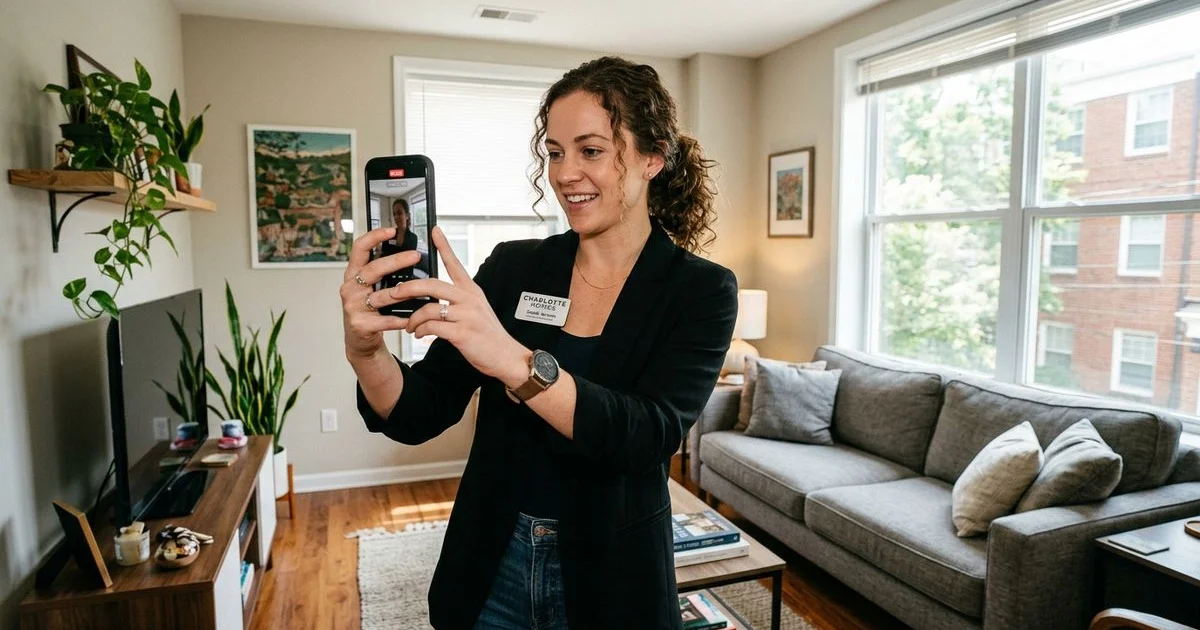
We know the challenge of securing a great place from miles away.
Managing an out-of-state move is stressful enough without the anxiety of signing a lease blindly. Our team routinely guides clients through this exact process, and this strategy has shifted from a rare exception to a daily necessity. In 2026, Charlotte’s fast-moving market demands quick decisions, making a remote apartment lease a highly effective tool for busy professionals.
For broader context on the remote search itself, see our out-of-state apartment search guide and our Apartment Locating service. We plan to walk you through exactly what to look for and how to protect your investment. Let’s examine the data, identify the biggest risks, and break down a safe approach to a sight unseen apartment lease in Charlotte.
When does a sight-unseen apartment lease make sense?
A sight-unseen apartment lease makes sense when your travel budget is zero, your start date is tight, or you are coordinating a complex dual-career relocation. This approach offers the most efficient path to securing a good apartment in a competitive market.
We see this constantly with corporate transferees and families balancing tight school enrollment deadlines. Regional data from 2026 shows roughly 157 people moving to the Charlotte metro area every single day. That influx means high-quality units in desirable areas like South End or Plaza Midwood often rent within hours of listing.
The risk profile depends entirely on who sits on the other side of the contract.
Our experience shows that renting from a major property management company keeps the unit-not-as-described rate incredibly small. Private landlords or cold condo sublets carry a much sharper risk, so you need to stay on the safe side of that equation.
What risk-mitigation steps should you take?
A safe remote lease requires a verified virtual tour, an on-the-ground inspection by a third party, and specific protective lease language. You must insist on these three elements to ensure reality matches the marketing.
We strongly recommend avoiding any reliance on heavily edited marketing reels. Scammers frequently use stock photos, so checking the Mecklenburg County Property Register online verifies the owner’s actual identity. Your defensive strategy should focus on these three pillars:
- Verified virtual tour: Demand a unit-specific walkthrough recorded on a smartphone within the last 48 hours. Expect 4K video showing window views, common areas, and inside the cabinets.
- On-the-ground verification: Send a local friend or hire a proxy to confirm the building matches the glossy brochure.
- Contingency lease language: Negotiate an “as-described” clause allowing you to terminate the agreement if the physical space deviates from the video evidence.
Our team always pushes for this protective phrasing, though large institutional landlords often resist adding custom text. Smaller boutique properties usually provide more flexibility for negotiation.

What are the video walkthrough standards?
A thorough video walkthrough must show the continuous path from the front door to your specific unit, followed by every room, closet, and appliance. You need to see the unedited reality of the space, not just the flattering angles.
We advise clients to watch the recording with the sound turned all the way up. If the leasing agent records while the HVAC system runs or a train passes by, you gain vital information about the unit’s actual noise profile. Charlotte’s ongoing transit expansion means properties in South End or NoDa often sit very close to the Light Rail tracks.
Our mandatory checklist for a virtual tour includes these specific requests:
- The approach: Front door, hallway condition, and your specific unit number.
- Living spaces: Window views from every single room to check for brick walls or dumpsters.
- Kitchen details: Cabinet interiors, counter condition, and inside all major appliances.
- Bathroom fixtures: Shower water pressure, tile grout condition, and under-sink plumbing.
- Flooring integrity: Scratches on hardwood, wear on carpets, or gaps in luxury vinyl planks.
- Amenities: The lobby, mail room, fitness center, and parking garage access.
You should also ask the agent to test their cell phone reception in the bedroom during the recording. Dead zones remain a surprisingly common issue in newer concrete high-rises around Uptown.
How does third-party verification work?
Third-party verification involves hiring a local service to physically walk through the apartment and confirm its condition before you sign anything. This provides a crucial layer of security when you lack a personal contact in the city.
We utilize these services when distance or timing prevents us from visiting a property ourselves. Paid gig workers on platforms like TaskRabbit or specialized verification companies like WeGoLook generally charge between $75 and $150 for this service.
| Verification Method | Average Cost | Key Advantage |
|---|---|---|
| Local Friend or Colleague | Free (or a coffee) | High trust and personal understanding of your preferences. |
| Paid Gig Worker (TaskRabbit) | $40 - $80 | Quick availability and affordable basic photo documentation. |
| Professional Verifier (WeGoLook) | $75 - $150 | Standardized written reports and comprehensive 4K video. |
Our favorite benefit of an in-person proxy is their ability to detect subtle issues that a video completely misses. A camera cannot pick up the smell of stale cigarette smoke or lingering pet odors in the carpets.
While these reports are not foolproof, they drastically raise the floor on what you know before handing over a deposit. Verification rarely flags major issues in luxury high-rises, but it is absolutely worth the cost for older walk-up buildings or independent private rentals.
What lease clauses should you ask about?
Sight-unseen renters must ask about the as-described clause, the early termination policy, and the mandatory move-in inspection timeline. These specific provisions form your safety net if the apartment fails to meet your expectations.
We structure our lease reviews to prioritize these three critical clauses above all else.
The As-Described Contingency
This termination or renegotiation right triggers if the unit differs materially from the documented walkthrough. Large corporate landlords rarely accept this, but smaller property owners often agree to the terms.
Early Termination Rules
Standard early-termination fees under North Carolina law typically cost one or two months of rent, plus a 30-day or 60-day written notice. Some properties offer relocation-friendly terms, and active military personnel receive federal protection under the Servicemembers Civil Relief Act to break leases without penalty upon receiving new orders.
The Move-In Inspection Window
Every North Carolina lease gives you a documented walk-through window to note pre-existing damage. You must submit this paperwork within five days of receiving your keys. Photograph every scratch and scuff immediately, because this acts as your security deposit insurance and your final sight-unseen protection.
What should you do if the unit is not as described?
If the unit is not as described, you must document the discrepancies immediately and notify the leasing office on the exact same day. Fast, written communication gives you the leverage needed to negotiate a solution.
We instruct clients to follow a strict escalation protocol to protect their financial interests:
- Photograph everything: Capture the reality from multiple angles before moving any boxes inside.
- Email the manager: Send the photos placed side-by-side with the original video walkthrough screenshots.
- Propose a solution: Ask for a unit transfer, a monthly rent reduction, or an immediate lease termination.
Our strategy shifts if the local property staff pushes back or ignores the complaint. You must escalate the issue to the corporate level, utilizing the complaint lines for major operators like MAA or Greystar.
A formal lawsuit in North Carolina small claims court handles disputes up to $10,000, but litigation remains a last resort. Detailed documentation of bad-faith conduct usually provides enough leverage to resolve the problem long before a judge gets involved.
What do we do for sight-unseen clients?
Our team handles the physical groundwork, verifying marketing claims against the actual unit to secure your ideal lease. This proactive approach removes the guesswork from the equation by placing a knowledgeable proxy in Charlotte on your behalf.
We walk every shortlisted building when physically possible, holding properties accountable before you sign. With Charlotte’s average rent hovering around $1,659 in 2026, signing a bad lease carries significant financial consequences. Our agents negotiate the critical as-described clauses and coordinate all move-in inspection logistics.
The established pattern works consistently. Hundreds of business owners and homeowners relocating for work have successfully signed remote leases through our practice. We know the friction points of moving are real, but a structured process keeps your transition smooth and predictable. If you are preparing for a Charlotte relocation, contact our team today to start building your verified property shortlist.
Common questions
How risky is sight-unseen apartment leasing in Charlotte?
Can I cancel a Charlotte lease if the unit is not as described?
Should I hire a third-party verifier?
Related guides
Apartment Locator vs. DIY Zillow Search in Charlotte
When a Charlotte locator beats Zillow, when DIY is fine, and the listing-freshness gap that costs renters time.
Are Charlotte Apartment Locators Actually Free?
How Charlotte apartment locators get paid by property management, and why the service is genuinely free for renters.
Charlotte Apartment Income and Qualification Requirements
3x rent rule, credit thresholds, guarantor options, and self-employed and remote-income rules for Charlotte rental applications.
Charlotte Apartment Move-In Specials and Lease Incentives
Common Charlotte specials, net effective rent math, and when concessions signal a soft market versus a building problem.
Ready to explore Apartment Locating?
A short conversation gets you a curated, lifestyle-first match.